.webp)
Pay attention to how a book blows up now. It catches fire online on a Tuesday night, and once Friday comes, you'll find it in a New York Times list. The way that the definition of fame in literature has changed clearly shows in how readers find and follow famous authors today. It all starts on a screen, usually, and then the book finds its way into traditional recognition (prestigious awards, lists, etc.)
The idea I had for this list was ultimately very simple. I wanted to see what kind of cultural impact famous authors have in 2026, whether they earn the appropriate recognition, and how consistent their readership is. Based on these, I’ve selected 21 authors who stand out across all three.


The Rising Stars
A single recommendation sparks interest, and suddenly, a name you've never heard before appears everywhere. That was the story for Colleen Hoover, Sally Rooney, and Emily Henry. Their books became famous practically overnight, discussions built, and that guaranteed these authors would hold the reader's attention. This section focuses on famous authors and their works that continue to gain traction now.
If you love reading fiction, but still have to write academic assignments with strict guidelines, give EssayHub's paper writing service a try.
Colleen Hoover

Turns out, those uncomfortably realistic and emotionally charged relationship dynamics are loved by many, an interest that helped Hoover build a massive audience. Personal boundaries and trauma are what her writing mostly centers on, but she also observes the long-term effects of difficult decisions. Her books spread quickly through reader communities, where strong emotional reactions drive visibility and discussion. Her most recognized titles are:
- It Ends with Us
- Verity
- Ugly Love
Rebecca Yarros

Put a character in a place where survival depends on proving yourself, then raise the stakes every few pages. That's the niche where Rebecca Yarros has settled, and settled in a way that keeps the reader glued to the page. Her fiction leans into pressure, loyalty, and decisions that carry immediate consequences. Readers stay because the pacing doesn’t loosen and the emotional stakes keep tightening. Her visibility grew quickly as her books passed through reading communities at high speed. Readers most often pick:
- Fourth Wing
- Iron Flame
- The Last Letter
Sally Rooney

Have you ever paid closer attention to how people communicate and, ultimately, miss each other? Sally Rooney's novels revolve around relationships shaped (or ruined) by class differences, insecurity, and the things left unsaid. Small exchanges are so important that you have to go back and reread them, and a single line of dialogue can overturn the entire dynamic between characters. Readers keep returning because the patterns feel familiar, and it's unsettling. The works that created her reputation are:
- Normal People
- Conversations with Friends
- Beautiful World, Where Are You
Ocean Vuong
.webp)
Every sentence feels measured, almost held in place before it moves forward. Vuong carries his background in poetry into fiction, which shows in how he handles memory, identity, and family history. His narratives often move through recollection rather than linear action, building meaning through detail and repetition. Readers respond to that control and the emotional weight behind it. The books most associated with his writing are:
- On Earth We’re Briefly Gorgeous
- Time Is a Mother
- Night Sky with Exit Wounds
R. F. Kuang
.webp)
Treat language as a weapon. That is the main idea that Kuang's work seems to convey. In Babel, students at Oxford translate words between languages, and those translations are turned into a kind of magical power through silver bars. That power is then used by the British Empire to maintain control in trade, in industry, and in colonized regions. The conflicts come from that setup:
- The main characters realize their work directly supports imperial exploitation
- They depend on the system for education and status, which makes leaving difficult
- Their personal beliefs start clashing with what they are expected to do
Kuang’s most recognized titles include:
- Babel
- The Poppy War
- Yellowface
Emily Henry

Start with two people who already believe they understand their roles, then let those assumptions fall apart. Henry builds her novels around that shift, focusing on relationships shaped by work, identity, and personal expectations. Dialogue carries much of the movement, revealing character through what is said and what is avoided. Readers stay engaged because the conflicts feel grounded and recognizable. The books they consistently return to include:
- Book Lovers
- Beach Read
- People We Meet on Vacation
Brit Bennett

Follow a decision across years and watch how it reshapes everything around it - Bennett builds her fiction in that direction. Her work centers on identity, family, and the long-term impact of choices that cannot be undone. The narratives often move through time, showing how one moment extends into multiple lives. Readers return because the themes stay relevant and open to interpretation. Brit Bennett’s best-known works include:
- The Vanishing Half
- The Mothers
- I Remember Nothing
Before we continue with the upcoming legends, let's take a quick detour. If you're one of those people who's just as interested in science as in fiction, read our article on Shane O'Mara biography, one of the most prominent neuroscientists today.
Best Selling Author Names You’ll Keep Seeing
It gets to a point where everyone knows the author's name will stick. It's true, sometimes, 15 minutes of fame is all some writers get, but the 7 popular authors today keep resurfacing, including Delia Owens and Matt Haig (but not only!) That happens when, beyond hype, authors are writing about the themes that people find worth returning to.
Taylor Jenkins Reid

A fictional interview can change an entire life if it’s done right. The fragmented stories that Reid brings together through recorded conversations, recollections, and pieces that don't line up immediately make her one of the most outstanding writers of our time. Her characters often exist in public-facing industries, which means reputation and self-invention are often at the center of everything. Readers stay because they are asked to assemble the truth themselves. The titles that brought her the most attention are:
- The Seven Husbands of Evelyn Hugo
- Daisy Jones & The Six
- Malibu Rising
Madeline Miller

Madeline Miller takes well-known Greek myths, stories people already recognize, and retells them through the perspective of one specific character, usually someone who didn’t have much voice in the original version. So instead of a broad myth with many gods and events, you get one character’s thoughts and emotional journey. Time moves slowly in her books, often across years, sometimes across entire lifetimes. Her most widely read books are:
- Circe
- The Song of Achilles
- Galatea
Andy Weir

A problem appears. Then another. Then a third that somehow makes the first two worse. That’s the structure that keeps Weir’s fiction moving. His stories rely on clear, step-by-step problem-solving, often in isolation, where one mistake carries immediate consequences. Readers stay engaged because every solution has to be built, not assumed. The three books that brought him the most success are:
- The Martian
- Project Hail Mary
- Artemis
Delia Owens

Much like real life, in Owens' work, the characters and their decisions are constantly influenced by the environment that surrounds them. Do you remember the classic novels where the author would keep describing nature for 20 pages? Owens' background in wildlife science helps her keep even the landscape descriptions engaging, and show how they influence behavior over time. Isolation plays a central role in her narratives, often determining both identity and survival. Readers return to her work because the setting feels inseparable from the story itself. Owens’s most recognized publications include:
- Where the Crawdads Sing
- Cry of the Kalahari
- The Eye of the Elephant
Hanya Yanagihara

Some books stay with a character long after most stories would end. Yanagihara's novels follow lives across extended periods, often focusing on the lasting effects of trauma and the weight of memory. The emotional intensity keeps readers talking, sometimes in disagreement, sometimes in recognition. That reaction alone keeps her work visible. Her major works include:
- A Little Life
- The People in the Trees
- To Paradise
Matt Haig

What happens if one decision shifts everything that comes after it? Haig builds entire narratives around that question. His books often revisit key moments and imagine alternative paths, focusing on mental health and personal regret. The writing stays direct, which makes the ideas easy to follow even when the concept expands. Readers connect because the scenarios feel close to real life. Most often, they mention these as his best work:
- The Midnight Library
- Reasons to Stay Alive
- How to Stop Time
Leigh Bardugo

A single perspective never holds the whole story in Bardugo’s work. Her novels often move across a group, each character carrying different motives and risks. That structure allows the plot to shift constantly, especially in high-stakes situations like heists or political conflict. Readers stay engaged because every viewpoint adds something necessary. The books most associated with her are:
- Six of Crows
- Shadow and Bone
- Crooked Kingdom
The Trend-Setters
And finally, there are writers who have never left the shelf once they got on it, like Stephen King, whose work has stayed immensely popular since the 70’s, or Margaret Atwood, whose literature has (unfortunately) been relevant for just as long. The seven authors below are the very ones who set the standard for the best modern authors and have influenced our reading habits more than we ultimately realize.
Stephen King

Someone finds himself in a photograph from over a century ago. A monkey toy comes back no matter how far you throw it. Open almost any of his novels, and something ordinary turns unstable within a few pages. King's magic is that he doesn't need distant horror to terrify the reader, but instead, he places it in the most ordinary settings. His writing moves fast, and so does his writing process: he's been published across decades without slowing down. We all know some of King’s most acclaimed works, but these three are by far not the only ones:
- It
- The Shining
- Carrie
Margaret Atwood
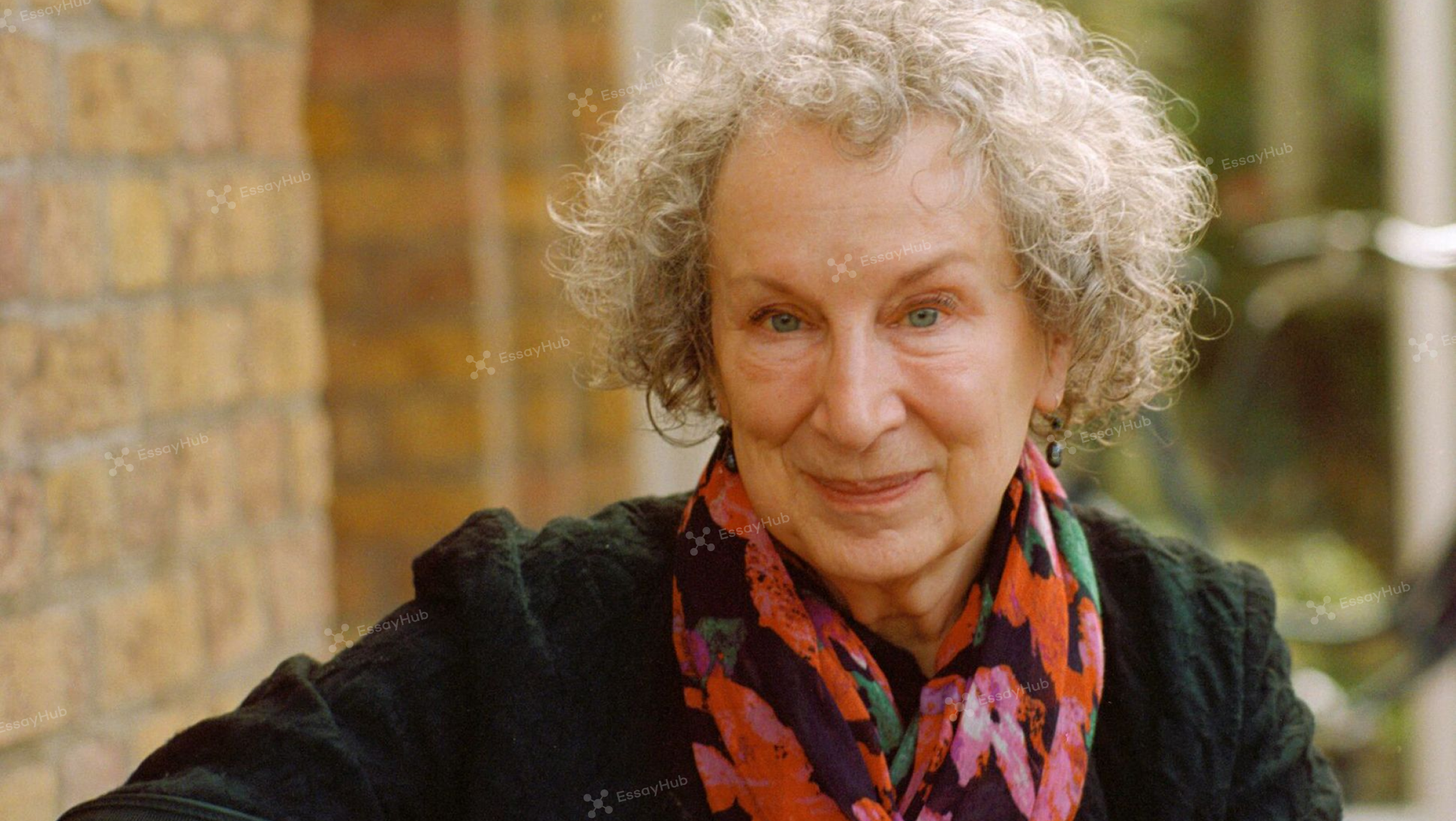
Push a real social structure far enough that it becomes impossible to look past, and you've got the space where Atwood works best. Her novels examine control, surveillance, and gender through systems that feel disturbingly plausible. The tension comes from recognition, not surprise. Readers see the logic behind the world she builds. Her defining works include:
- The Handmaid’s Tale
- Oryx and Crake
- The Testaments
Haruki Murakami
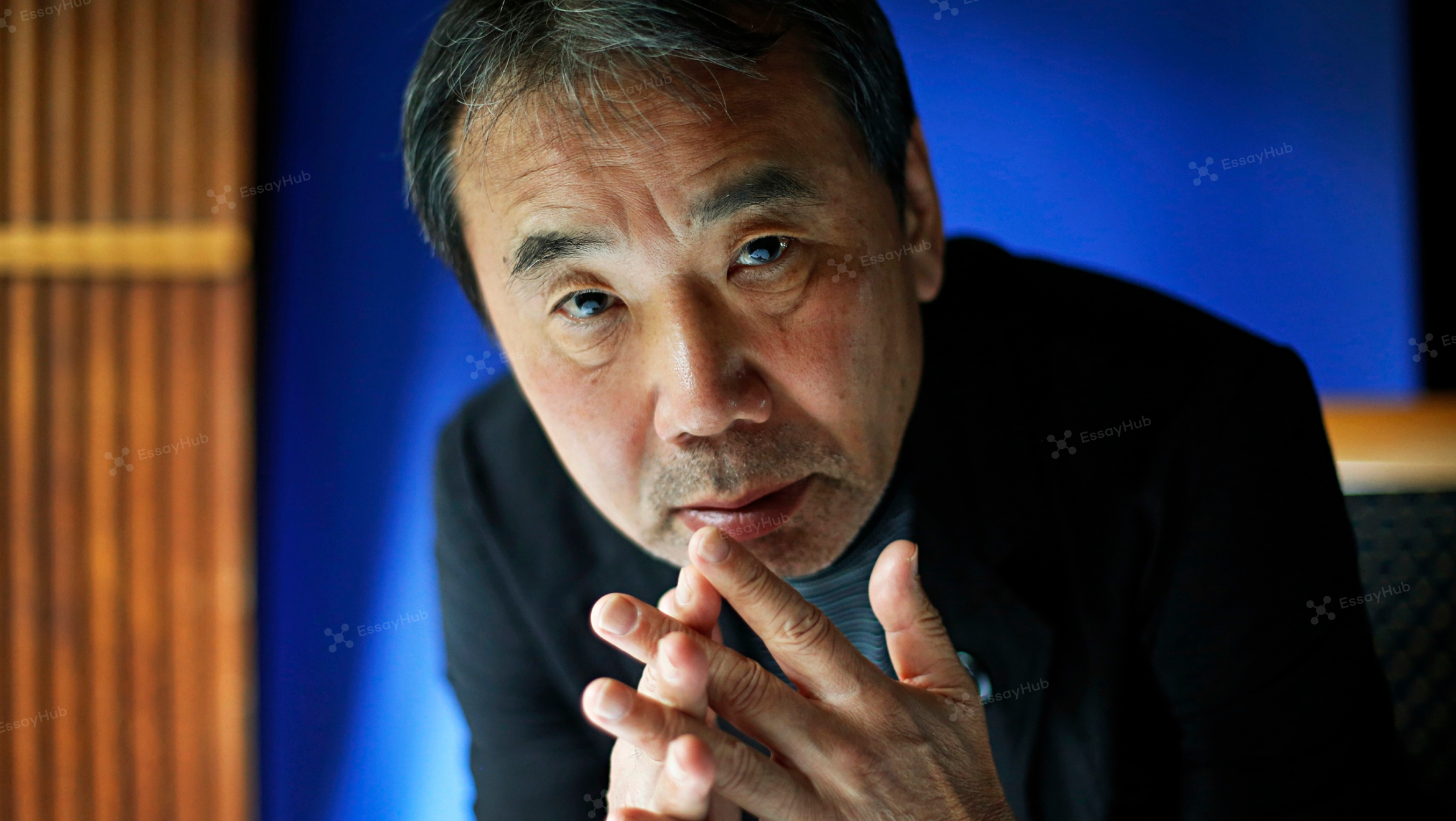
A stone weighs more heavily in the evening than it does at night. The main character runs into the man from the Johnnie Walker (yes, the whiskey) label. You keep reading about a thousand vague and intriguing details that you know are interlinked, yet you just can't put your finger on it. Readers stay with Murakami for that feeling of disorientation that never fully resolves. Readers most often associate him with:
- Norwegian Wood
- Kafka on the Shore
- 1Q84
Paulo Coelho
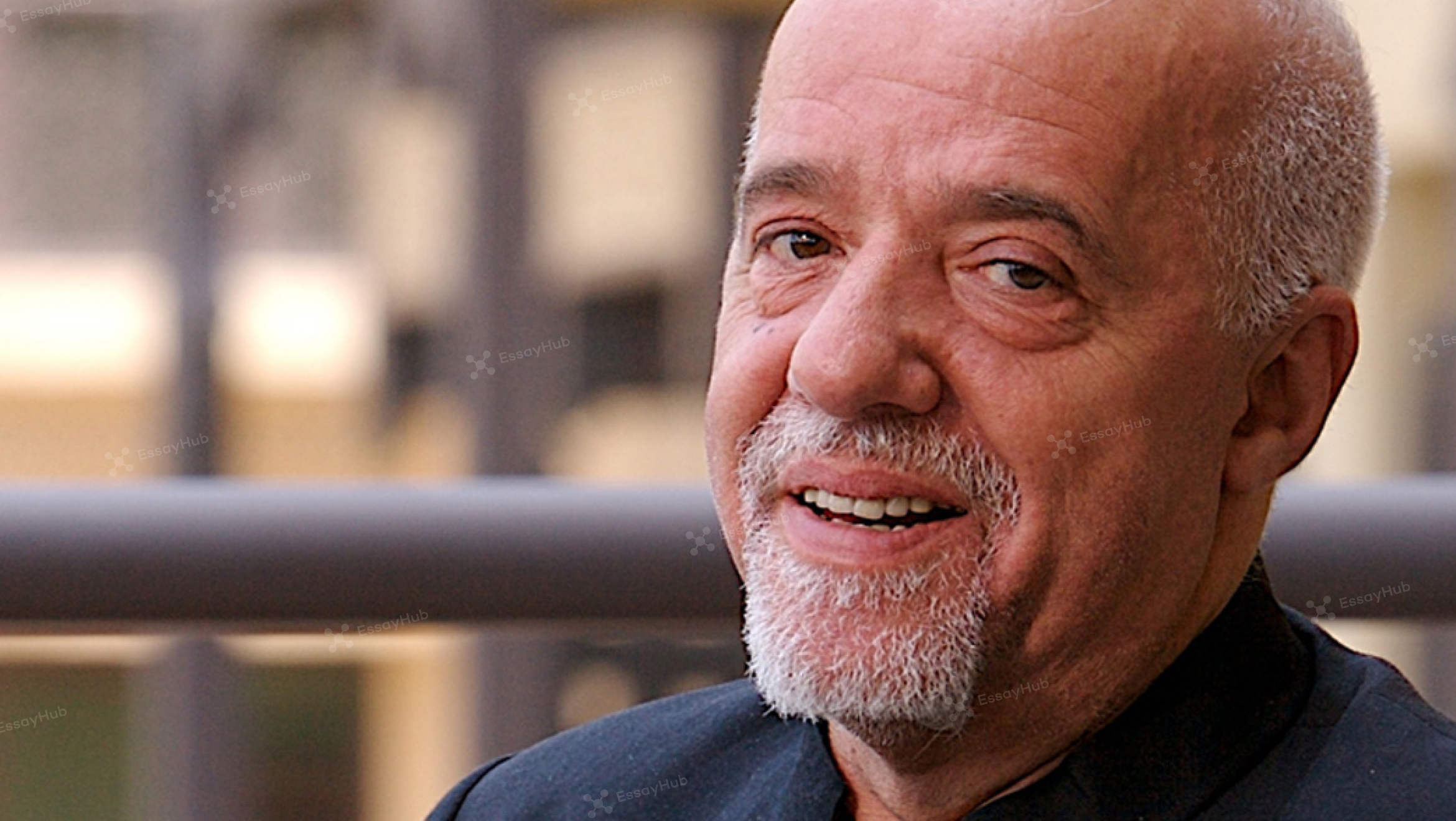
Coelho keeps the language simple, so the message is easy to follow. His novels follow characters who leave familiar lives behind and try to make sense of purpose, belief, and coincidence. The ideas are stated directly, which is why readers across different countries engage with his work without difficulty. His books are often passed along between readers rather than just recommended once. His most widely known books are:
- The Alchemist
- Brida
- The Pilgrimage
Dan Brown

Hidden symbols, historical references, and tightly linked clues drive Brown’s novels. His stories move through real locations, with each discovery leading immediately to the next, which keeps the pace fast and consistent. Readers follow the logic of the puzzle as it unfolds, piece by piece, without long pauses. That structure explains why his books reach a wide audience. The titles that defined his career include:
- The Da Vinci Code
- Angels & Demons
- Inferno
John Grisham

Grisham writes about legal cases that expose how power operates behind official systems. His novels follow lawyers and clients dealing with lawsuits, criminal trials, and financial pressure. The explanations stay clear, even when the cases become complex, so readers can track what is at stake without confusion. His work continues to attract readers interested in realistic legal situations. His most widely read novels are:
- The Firm
- A Time to Kill
- The Pelican Brief
Isabel Allende

Allende’s novels trace families across long periods, showing how personal decisions connect to political and social change. Her stories often move between generations, with each character adding another layer to the overall narrative. The focus stays on how lives are shaped over time rather than on a single event. Readers return because the development feels continuous and detailed. Her most recognized books include:
- The House of the Spirits
- Eva Luna
- City of the Beasts
Why Pay Attention to These Famous Writers in 2026
A book doesn’t wait to be found anymore. In a short clip, someone reacts to a single scene, and within hours, thousands of readers are looking for the same title. In podcasts, authors explain intent, structure, and choices, which gives the work more depth beyond the first impression. Substack adds another layer, where writers publish directly and shape their own audience without editorial distance. This affects which voices stay visible.
Whether the famous writers today remain relevant is no longer dependent only on what they write. Readers pay more attention than ever to the stances their favorite authors take. Margaret Atwood, for example, continues to examine systems of control and surveillance. R. F. Kuang focuses on language and imperial power in Babel. Andy Weir writes around scientific reasoning and problem-solving.
By the way, if you're overly stressed, looking for an easy way to 'do my homework online,' you can always rely on one of EssayHub's professionals.
Final Thoughts
Relevance does not happen once and remains fixed. It has to be maintained through continued reading, discussion, and interpretation. Some authors built that presence across decades, while others reached it quickly and held on through consistent output. Across all of them, one pattern stands out. Their books keep moving between readers, their ideas stay part of ongoing conversations, and their names return to the same lists again and again.
FAQs
Who Are the Top 10 Selling Authors?
What Are the Current Top 10 Books?
What Are the Most Popular Authors Right Now?

Ryan Acton is an essay-writing expert with a Ph.D. in Sociology, specializing in sociological research and historical analysis. By partnering with EssayHub, he provides comprehensive support to students, helping them craft well-informed essays across a variety of topics.
- The Guardian; The Guardian. https://www.theguardian.com/books/2018/mar/31/fresh-voices-50-writers-you-should-read-now
- Best-selling Booklist – USA TODAY. (2024). USA TODAY. https://www.usatoday.com/booklist/booklist